AI Sales Call Assistant Tools in 2026: 10 Affordable Gong and Chorus Replacements
Gong costs $100+ per user per month. Chorus isn't much cheaper. Here are 10 affordable alternatives that give you sales call intelligence without draining your budget.
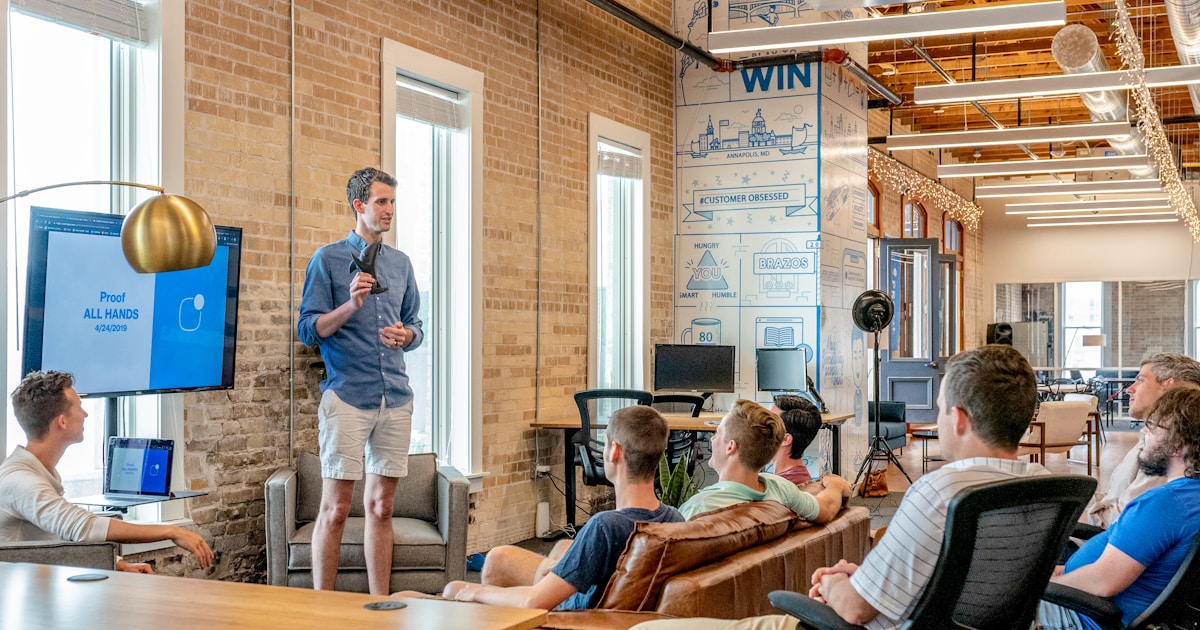
Let's talk about the elephant in the sales tech room. Gong costs somewhere north of $100 per user per month. Chorus (now owned by ZoomInfo) bundles into enterprise packages that start at "call us for pricing" — which is corporate speak for "you can't afford this."
Don't get me wrong — both are powerful tools. They analyze your sales calls, track talk-to-listen ratios, spot competitive mentions, and give managers a window into what's happening on the front lines. For a 200-person sales org closing seven-figure deals, they're probably worth it.
But if you're a startup founder doing your own sales, a 5-person SDR team at a growing company, or a freelance consultant who wants to get better at client calls? You don't need a $100/month/seat tool. You need something that's good enough at 80% of what Gong does for 20% of the price.
Here are 10 alternatives, organized by what you can actually afford.
Free to $10/Month — Just Getting Started
1. Fathom — Free Forever Plan
Fathom is genuinely free for individual use on Zoom. You get call recording, transcription, and AI summaries. It joins your Zoom calls as a bot and generates a recap with key moments highlighted.
For a solo founder who just wants to review their sales calls without paying anything, this is the obvious starting point. The limitation: it's Zoom-only for the free tier, and team features cost extra.
2. tl;dv — Free Tier Available
tl;dv gives you unlimited recording and transcription on its free plan for Google Meet and Zoom. The AI summaries and CRM integration are where they start charging, but the basics are solid.
What I like about tl;dv is the clipping feature. You can highlight a specific moment in a sales call — like when a prospect mentions a competitor or raises an objection — and share that clip with your team. Super useful for coaching without making reps sit through full recordings.
3. Fireflies.ai — Starts at $10/Month
Fireflies has been around for a while and it shows — the product is mature and reliable. At $10/month, you get transcription, meeting search, and AI-generated summaries across Zoom, Teams, Meet, and Webex.
The conversation intelligence features (talk ratios, sentiment analysis) kick in at the Business tier ($19/month), which is still a fraction of Gong pricing. Solid CRM integrations too — Salesforce, HubSpot, Pipedrive.
$10 to $40/Month — The Sweet Spot
4. Craqly — Real-Time Sales Assistant ($38/Month)
Craqly does something different from most tools on this list. Instead of just recording and analyzing your calls after the fact, it gives you real-time AI assistance while you're on the call.
Think about that for a second. A prospect throws an objection at you and your brain freezes. Craqly hears the objection and surfaces a suggested response right there on your screen. A client asks about a feature you're not sure about — Craqly pulls up the relevant info instantly.
It runs as a desktop app, doesn't join calls as a bot, and works with any meeting platform. At $38/month for the Pro plan, it's less than half of what you'd pay for Gong's entry tier. And the stealth mode at $59/month gives you even more session time for heavy usage.
Best for: Sales reps who want help during calls, not just analysis after. If your biggest problem is thinking on your feet during tough conversations, this is the tool to try.
5. Avoma — Starts at $19/Month
Avoma positions itself as an AI meeting assistant for revenue teams. The $19/month plan gets you recording, transcription, and basic conversation intelligence. The higher tiers add deal intelligence and CRM syncing.
What's nice about Avoma is that it covers the full meeting lifecycle — agenda templates before the call, live notes during, and AI analysis after. It's trying to replace three different tools with one.
6. Claap — Starts at $10/Month
Claap started as an async video tool (like Loom but for meetings) and evolved into a conversation intelligence platform. The $10/month plan gives you recording, transcription, and basic analytics.
Where Claap shines is the coaching features. Managers can leave timestamped comments on call recordings, create playlists of "best practice" calls, and track improvement over time. If you're building a sales team and need a coaching tool on a budget, give Claap a look.
$40 to $60/Month — Serious but Still Reasonable
7. Revenue.io — Mid-Range Option
Revenue.io (formerly RingDNA) is more enterprise-leaning, but their starter plans can work for smaller teams. It's deeply integrated with Salesforce, which is either a huge pro or irrelevant depending on your stack.
The real-time coaching features are solid — reps get live prompts and battle cards during calls. Pricing isn't public, but expect $40-60/user/month for the basic package. Still cheaper than Gong.
8. Wingman by Clari — Around $50/Month
Wingman (now part of Clari) offers real-time coaching, call recording, and deal intelligence. It does the live cue card thing during calls, which is helpful for newer reps who need prompts for handling objections or competitive positioning.
The Clari acquisition means it now plugs into a broader revenue operations platform. Good if you're already in the Clari ecosystem, potentially overkill if you're not.
9. Jiminny — Starts at $45/Month
Jiminny is popular in the UK and European markets. It covers call recording, coaching playlists, deal tracking, and integrates with major CRMs. The interface is clean and the onboarding is straightforward.
If you're a sales team based in Europe and want something that feels like it was built for your market (GDPR-first, local support), Jiminny is worth evaluating.
10. Chorus by ZoomInfo — The "Budget Enterprise" Pick
Wait, I said Chorus was expensive. It is — if you buy the full ZoomInfo bundle. But some teams negotiate standalone Chorus access for around $50-60/user/month. It's still not cheap, but if your company already pays for ZoomInfo and you can get Chorus bundled in, the marginal cost drops.
Worth asking your ZoomInfo rep about, at least.
Quick Comparison
- Cheapest option: Fathom or tl;dv (free tiers)
- Best value for individuals: Fireflies at $10/month
- Best real-time help during calls: Craqly at $38/month
- Best for sales team coaching: Claap or Jiminny
- Closest to Gong features: Revenue.io or Wingman
Do You Actually Need Conversation Intelligence?
Honest question. If you're a solo founder or a small team, you might not need fancy analytics dashboards showing talk-to-listen ratios across 500 calls. You might just need something that helps you perform better on the call itself.
That's why I keep coming back to tools like Craqly for individual reps. The after-call analysis is great, but the real-time help is what actually moves the needle on close rates. You can have all the data in the world from Gong, but if you still freeze up when a prospect hits you with "why should I pick you over [competitor]?" — that data isn't helping you in the moment.
Start with what you can afford. Upgrade when the ROI justifies it. And stop feeling guilty about not having Gong.
Comments
Leave a comment
No comments yet. Be the first to share your thoughts!
Related Articles
Why Desktop AI Assistants Are Replacing Browser Extensions for Interviews and Sales
Browser extensions were the first wave of AI interview tools. But in 2026, desktop apps are winning — and it's not just about stealth. Here's the technical breakdown of why the shift is happening.
Read more
Free AI Interview Assistants in 2026: What You Actually Get Without Paying
Every AI interview tool claims to have a free plan. But what do you actually get? I tested every free option so you don't have to. Here's the real breakdown.
Read moreThe Real Cost of AI Interview Tools in 2026: Every Major Tool's Pricing Compared
I dug into the pricing of every major AI interview tool so you don't have to. Here's what Final Round AI, LockedIn, Parakeet, Interview Coder, Cluely, Craqly, and others actually charge — including the hidden costs they don't advertise.
Read more